- +2348053020997
- info@agricwareconsult.com.ng
- • Custom Consulting Requests

Menu
Menu
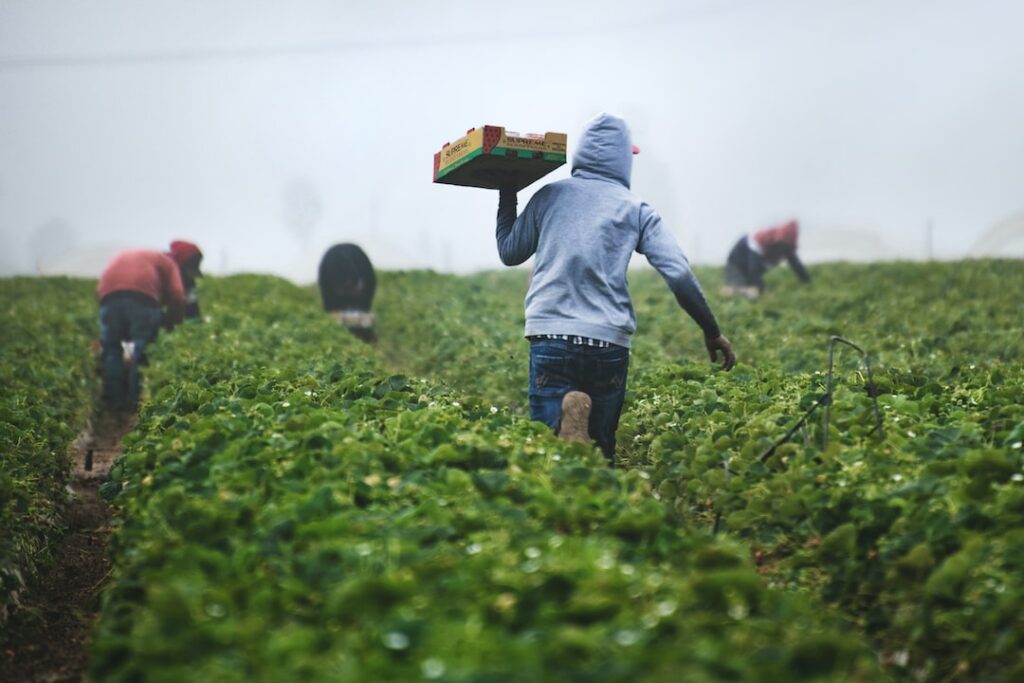
Sustainable agricultural practices are those farming practices that involve using methods that do not harm the environment, human health, and natural resources. It is an alternative to conventional farming which uses harmful chemicals and synthetic fertilizers that cause soil degradation, pollution, and other environmental problems. Sustainable agriculture is essential in addressing the global food security challenge. To produce enough food to feed a growing population while minimizing the negative impact on the environment.
Here are ways you can tell snails are dead, alive, or only in a state of dormancy:
Sustainable agricultural practices are those farming practices that involve using methods that do not harm the environment, human health, and natural resources. It is an alternative to conventional farming which uses harmful chemicals and synthetic fertilizers that cause soil degradation, pollution, and other environmental problems. Sustainable agriculture is essential in addressing the global food security challenge. To produce enough food to feed a growing population while minimizing the negative impact on the environment.
This practice aims to produce high-quality food while protecting and conserving natural resources such as soil, water, air, and biodiversity. Sustainable agriculture involves a range of practices such as organic farming, conservation agriculture, agroforestry, integrated pest management, and precision agriculture.
Brief Descriptions of Practices
Organic farming is a type of sustainable agriculture that involves using natural fertilizers such as compost and animal manure instead of synthetic fertilizers. Organic farmers also use natural pest control methods. Such methods include crop rotation, companion planting, and biological pest control instead of synthetic pesticides. See ‘Economics of Soil Fertility Management Practices in Nigeria’
Conservation agriculture involves reducing soil disturbance by reducing tillage and using cover crops to protect the soil from erosion. Cover crops also add nutrients to the soil and provide habitat for beneficial insects that can control pests.
Agroforestry involves integrating trees into farming systems to provide multiple benefits such as shade, windbreaks, and erosion control. Trees also improve soil fertility by adding organic matter and fixing nitrogen.
Integrated pest management (IPM) is a sustainable approach to pest control that involves using a combination of cultural, biological, and chemical control methods. IPM aims to minimize the use of synthetic pesticides and reduce the risk of pesticide resistance and environmental pollution.
Precision agriculture involves using technology such as drones, sensors, and GPS to optimize crop production while minimizing inputs such as water and fertilizer. Precision agriculture can reduce costs and improve yields while minimizing environmental impact.
Promoting biodiversity: Sustainable agricultural practices also involves promoting biodiversity by maintaining or restoring natural ecosystems such as wetlands, forests, and grasslands. Biodiversity is essential in providing ecosystem services such as pollination, pest control, and soil fertility.
Sustainable agricultural practices are beneficial in several ways. These benefits include;
There are challenges to sustainable agricultural practices. Som of these challenges include;
2. The high cost of implementation. Organic farming and other sustainable agricultural practices can be more expensive than conventional farming, which can make it difficult for small farmers to adopt these practices extensively. Hence, governments and other organizations can help by providing financial and technical support to farmers to adopt sustainable agricultural practices.
Sustainable agricultural Practices are farming practices that involve using methods that do not harm the environment, human health, and natural resources. These practices aim to produce high-quality food while protecting and conserving natural resources. These natural resources are the soil, water, air, and biodiversity. Sustainable agriculture is beneficial in several ways, including reducing the negative impact of farming on the environment, improving farm
This Practice is not only important for food security and environmental protection, but also for the long-term sustainability of the agricultural sector. By adopting sustainable agriculture practices, farmers can improve their profitability and competitiveness in the marketplace. Also contribute to a healthier and more sustainable future for all.
Sustainable agricultural practices in use can vary depending on the location and the specific needs of the farm. Here are some examples of sustainable agricultural practices and their locations:
This practice involves integrating trees into farming systems to provide multiple benefits such as shade, windbreaks, and erosion control. In Brazil, agroforestry is widely practiced in the Amazon region, where farmers combine crops such as coffee, cocoa, and fruit trees with native trees to promote biodiversity and restore degraded land. In the Western and Eastern region of Nigeria, agroforestry is a common practice, where arable or annual crops are intercropped with tree crops.
Organic farming involves using natural fertilizers such as compost and animal manure instead of synthetic fertilizers. In the United States, organic farming is practiced in various regions, including California, where organic vegetables and fruits are grown on small farms. Also, in the Midwest, where organic grains are produced for animal feed and human consumption. In Africa, organic farming is gaining some pace as a means of growing crops for sustainable production.
This practice involves reducing soil disturbance by reducing tillage and using cover crops to protect the soil from erosion. In Africa, conservation agriculture is practiced in various countries such as Nigeria, Zambia, Zimbabwe, and Malawi, where small farmers have adopted this practice to improve soil fertility, reduce labor, and increase yields.
IPM is a sustainable approach to pest control that involves using a combination of cultural, biological, and chemical control methods. In India, IPM is practiced in crops such as cotton, rice, and vegetables. These farmers use natural predators, traps, and pheromone traps to control pests while minimizing the use of synthetic pesticides.
These are just a few examples of sustainable agricultural practices and their locations. The adoption of these practices can be adapted to different regions and farming systems. This will promote environmental protection, economic viability, and the ultimate food security goal.
For further reading on similar title see here
 Welcome to Agricware Consult, a dedicated Agricultural Management Consultancy Services provider focused on enhancing the capabilities and efficiency of farmers in Nigeria.