SNAIL DEAD OR HIBERNATING?

SNAIL DEAD OR HIBERNATING?

Determining whether a snail is dead or hibernating can be a bit challenging, as snails can enter a state of dormancy called hibernation that may resemble death. However, there are a few signs you can look for to make a reasonable assessment. 
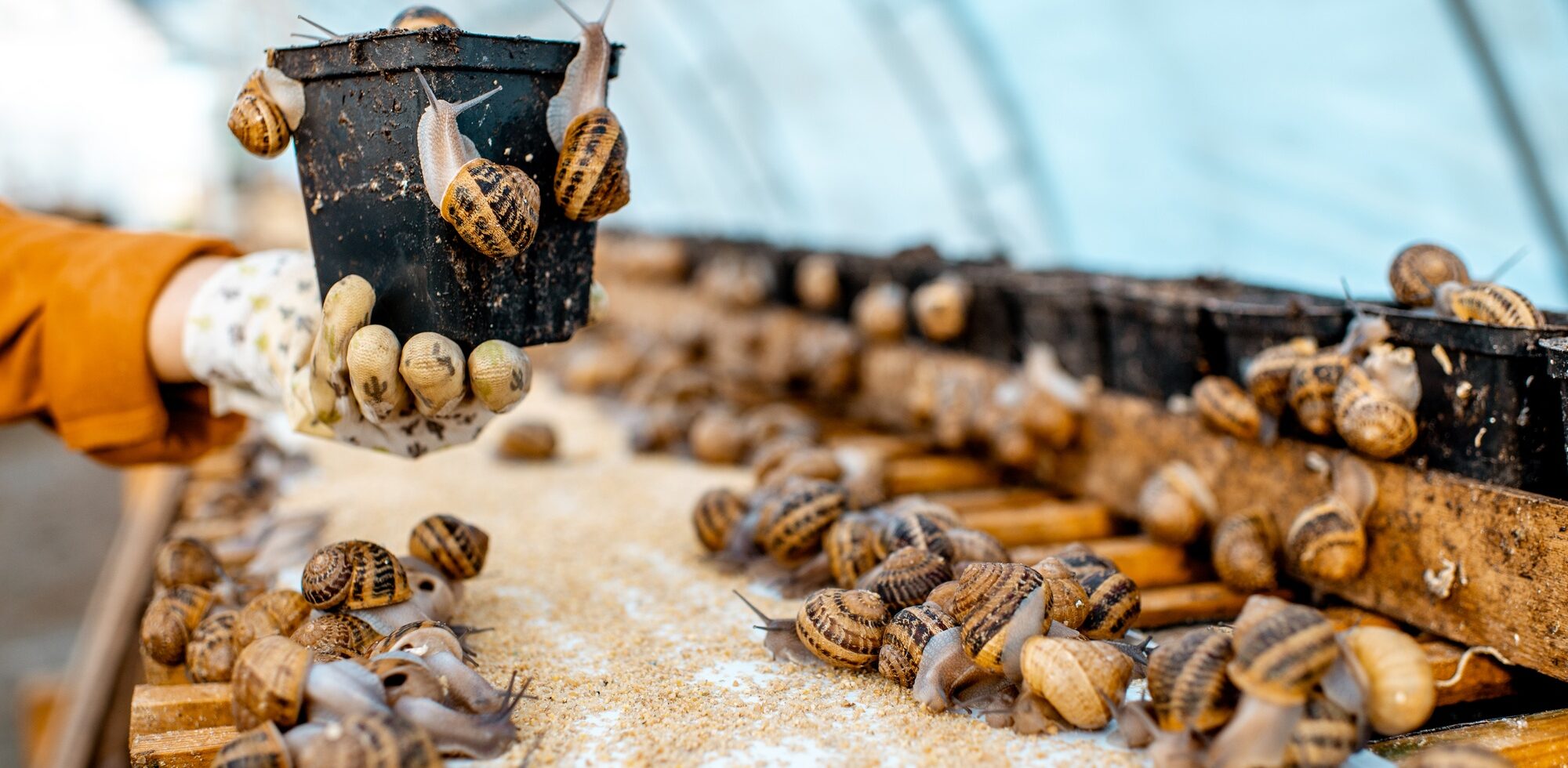
Pot for snails breeding on a farm with snails

Here are ways you can tell snails are dead, alive, or only in a state of dormancy:

  1. Observe the snail’s shell: A living and healthy snail will have a moist and glossy shell. If the shell appears dry, damaged, or cracked, it may indicate that the snail is dead.
  2. Check for movement: Gently touch the snail’s body or shell with your finger or a small object. In some cases, a hibernating snail may retract into its shell or remain motionless, but if it’s alive, it may slightly respond or retract further into the shell. A dead snail will generally show no response to stimuli.
  3. Smell the snail: This method might not be pleasant, but a strong foul odor is usually a sign of decay, indicating that the snail has died.
  4. Observe the snail’s foot: A living snail’s foot will appear plump and fleshy. If it looks dried out, discolored, or shriveled, it could be an indication of death.
  5. Wait and observe: Sometimes, snails may enter a state of extended dormancy, known as estivation or hibernation, where they reduce their metabolic activity. During this time, they may not move or show any visible signs of life. If you’re unsure, place the snail in a suitable habitat and give it some time. If it’s alive, it should eventually resume its normal activity.
  6. Check the snail’s response to touch: Gently tap the snail’s shell or foot using a soft object, such as a paintbrush or your fingertip. If the snail is alive, it may exhibit a slight response, such as retracting into its shell or extending its foot. A lack of response doesn’t necessarily mean the snail is dead, as it could still be hibernating, but it may indicate a higher likelihood of it being deceased.
  7. Look for signs of decay: Over time, a dead snail may start decomposing, resulting in visible decay. Watch for any discoloration, foul-smelling fluids, or signs of disintegration, as these are strong indications that the snail has passed away.
  8. Assess the environment: Consider the conditions under which you found the snail. If the environment is hostile or unsuitable for snails, such as extreme temperatures or lack of moisture, it increases the chances of the snail being dead rather than hibernating.
  9. Duration of inactivity: Snails typically enter hibernation or estivation for a relatively short period, usually a few days to a couple of weeks. If the snail has been inactive for an extended period, such as several weeks or months, it’s more likely to be dead. Healthy snails will eventually resume their activities after a period of dormancy.