

You’ve probably never thought of agriculture as something you could be involved in, but the world of backyard agripreneurship can be surprisingly interesting and lucrative. This article will help you learn how to start a backyard agripreneur business by teaching you some of the basics of urban farming and showing you some other ways to make passive income from agriculture.

Agripreneurs are farm owners who also get involved in entrepreneurship. It may be small-scale, like selling extra produce from your garden or operating an online store that sells products made from natural ingredients, but there’s always money to be made by getting creative and connecting with others. The key is knowing what you’re getting into before you start making large investments of time and energy in growing your own backyard business. For example, if you’re passionate about gardening, keep reading up on agricultural income opportunities. If farming isn’t your thing but you still want to make some cash off of homegrown products, there are ways—such as starting a social enterprise—to do that too. Before long, you’ll have a handle on whether entrepreneurship is right for you. Once it is, don’t wait any longer to launch your backyard agripreneur business!

There are lots of online courses available that can help you get started with passive agricultural income. Take any courses that pertain to your niche in agriculture. While these courses won’t necessarily prepare you for starting an agriprenuer business, they will teach you about successful agricultural businesses and provide education that’s tailored specifically toward small, urban farming operations like yours. Courses will also help expand your expertise and deepen your expertise, which is valuable when it comes time to market yourself as an expert in your field—something you want if you plan on monetizing through affiliate marketing or other methods later on down the line. Finally, taking specialized courses will make you more attractive to potential partners and investors. It’ll show them that you have specific knowledge of your industry, rather than general knowledge of many industries. This makes it easier for them to see how their own industry-specific expertise would be useful in helping your company grow. For example, if you were opening a goat farm specializing in artisanal goat cheese production, but had no experience with dairy cows or cheesemaking (or goats), taking classes on those topics would be incredibly beneficial!
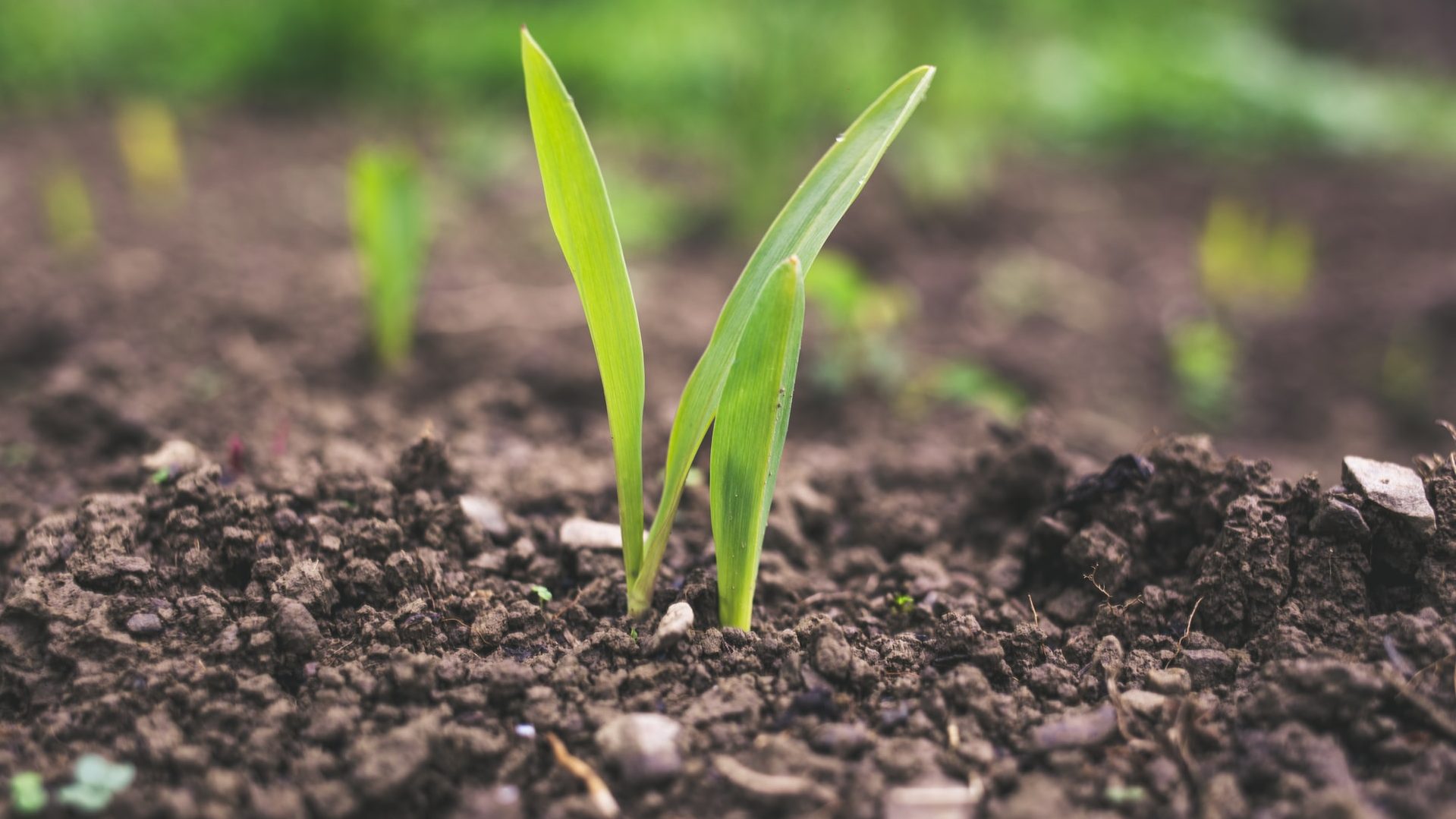
Location, location, location. The saying is trite, but it’s true. When you run a backyard farm, your goal is to produce food on as little acreage as possible so you can maximize profits while minimizing costs. To accomplish that goal, look for low-maintenance crops and focus on yields that provide maximum return per square foot of land. If you have limited space, crops like berries and vine plants will require less in terms of overhead than large-yield vegetable options like corn or tomatoes. And if starting with veggies isn’t in your plan yet (most backyard farmers start small), choose crops that will give you high yields in a small area—like baby greens. The higher your yield per square foot, the more money you’ll make from every harvest! Using labor-saving tools: Not only do they help you increase productivity and reduce labor costs, these tools also keep workers safe. A good example? How about mechanical weeders? They eliminate backbreaking hours spent hoeing weeds by hand. Tractors with cultivators save time by tilling fields in just one pass instead of making multiple passes over the same ground. Tools like these are common on commercial farms, but they’re not necessary for backyard farms because most don’t have enough land to justify them.
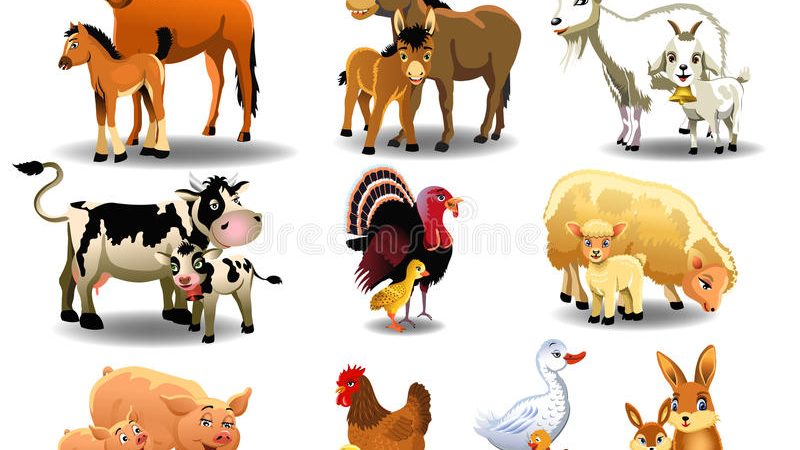
What will you grow or raise, and how many of each? If you’re planning on raising animals, what type and how many? For example, if you want chickens for eggs, plan on getting at least three hens; but if you want meat birds that can be sold to others when they reach market weight (about six months), it might be more practical to get about 20. You’ll also need adequate fencing for both livestock and crops—so make sure your property is properly zoned before investing in expensive fencing. Depending on where you live and what kind of farming or animal-raising laws are in place, it might be worthwhile checking with local authorities about agricultural licenses before making any purchases. Some municipalities require permits even for small plots of land, so it’s best to check first. Lastly, decide whether you’ll use organic or conventional growing methods. As with buying seeds, choosing between these two methods depends largely on your budget and preferences. Organic seeds tend to cost slightly more than their conventional counterparts because there aren’t government subsidies for them like there are for corn and soybeans. But depending on what kinds of pesticides and fertilizers are used by conventional farmers in your area, switching to organic methods could save you money over time—and maybe even reduce long-term health risks associated with pesticide exposure.

Don’t try to be everything at once. Agripreneurs should have an eye on expansion, but it doesn’t make sense for them to expand their operations until they’ve gotten some experience under their belts and know what works and what doesn’t. If you are new to agribusiness, don’t worry about owning hundreds of acres or thousands of animals. Start small, with just a few square feet or one or two chickens, and slowly increase your operation as you learn more about what works best for you. An agribusiness startup can be taken slow—but it should never be rushed. Just remember that expanding too quickly is likely a mistake so think things through before moving ahead with anything big!
When starting any type of business venture, it’s important to evaluate where you are in relation to your goals. For instance, if you want your new agripreneur business to eventually become self-sufficient and profitable, then it makes sense to begin saving up a cash reserve right away. You might also need funds in order to purchase needed supplies like equipment or livestock feed; keep in mind how much such items cost when planning out how much money will be necessary for startup expenses overall.
Also consider time limits when considering cash reserves: say 12 months from now when making certain purchases. The last thing an owner wants is run out of money because there wasn’t enough saved up into reserves!

Pictures are vital in convincing potential customers that your produce is safe, fresh and tasty. After all, you want people excited about what they’re buying. Take good photos of each of your products and make sure you have plenty of variety (e.g., different colors, shapes, sizes). It’s also important to take different types of images so that people can see how your product can be used in everyday life (e.g., on cereal or in a sandwich). Finally, be sure to provide ample size information for each product: How big is it? Can it fit into most refrigerators? If not, where should it be stored? This will help people who aren’t familiar with some produce know if they can use it at home. Keep in mind that some larger fruits and vegetables won’t work well as gifts because they’ll need to be kept cold throughout delivery. Onions, squash and pineapples are common examples of such items. Keep track of your expenses: You’ll need to determine whether you’re selling something expensive enough to cover costs associated with delivering it. Delivery services often charge extra fees per mile traveled, plus fees based on weight and type of item being delivered (i.e., large/heavy items like fruit or furniture may cost more than smaller items like snacks). If you don’t plan ahead, these fees could eat up any profit margin from sales—and even result in a loss if sales aren’t high enough!

If you live in an area where farmers’ markets are popular, you might find yourself with more produce than your customers can buy. Be sure that you plan ahead and save seeds from your harvest—you never know when they might come in handy. If you choose not to save seeds, find other ways to put them to use: stick fresh sprigs of rosemary and thyme into vases; pickle or can excess vegetables; freeze berries for smoothies later on; or make jam. To ensure maximum longevity, seal any unused produce with plenty of water in zip-top bags before putting it into storage (the same process used for food preservation). Keep everything as cool as possible and change out any ice that has melted during transportation or storage. Use frozen goods within two months of freezing them. Freezing temperatures will preserve most foods for about two years. The trick is to eat what you have so it doesn’t go bad!
The Big City Farmer’s Market Is For Everyone And It’s Growing Fast – Business Insider – Aug 30, 2013
By Christina Sterbenz @christinsterbenz The Big City Farmer’s Market Is For Everyone And It’s Growing Fast – Business Insider – Aug 30, 2013 In New York City alone there are 14 different farmer’s markets now open year round, including some that sell only fruits and vegetables grown within 50 miles of Manhattan. Other large cities like Los Angeles have been known to have dozens at once — but even small towns across America now host one each week.

Social media is an incredible place for any entrepreneur or small business owner. Not only does it allow you to have conversations with your potential customers, but it also gives you an opportunity to advertise your products and services at no cost. You don’t need much, if any, monetary investment. All you really need is creative content and an audience that finds value in what you’re posting (i.e., they want information). The great thing about social media is that once you do decide to invest more time and money into advertising, you can use social media posts as examples of what makes your business so valuable in order to sell people on your goods or services. It’s kind of like building up your resume while simultaneously creating new opportunities. Sounds pretty good, right? That’s because it is!
Post regular updates to your social media accounts: Posting regular updates on social media sites like Facebook and Twitter not only keeps your business name out there in front of potential clients, but it also helps build up your presence online. It shows prospective clients that you’re invested in what you’re doing; after all, if you weren’t willing to take time out of each day to write these updates, why should anyone trust that you’ll be dedicated enough to handle their problems? Make sure that whatever updates you post are related directly back to the type of work that will bring new clients through your door.
Keeping tabs on all of your income and expenses is vital when it comes to passive income. When you work for an employer, they handle most of these things for you, but as a freelancer, you’re responsible for doing all of these things yourself. Ask yourself what kind of deductions are you allowed to take. If you can save money in taxes through deducting an expense like gas mileage or cellphone bills, put them on your monthly budget sheet so that way there’s no surprises when tax season rolls around. Knowing where your money goes will help you make better decisions about what kinds of opportunities are worth pursuing. After all, every penny earned is one more penny towards starting your next venture!
You may also want to consider investing some of your profits back into purchasing equipment for larger projects. Even if you hire freelance workers from time to time, not having enough gear can be a major setback in how quickly you get paid. Think about how long each project takes you from start to finish and then decide whether buying new tools would really be worth it over hiring another worker who could speed up production times during slower seasons. Again, consult with a financial advisor if needed, as having too much overhead costs can negatively impact your bottom line even if sales have been great lately.

What exactly do you want out of your new, exciting hobby? Before you dive into backyard farming, sit down and make a list of what you hope to get out of it. That way, if any difficulties arise along the way, you can refer back to that list and remind yourself why you’re doing all of this in hopes of seeing progress. Whether your goal is boosting nutrition at home, saving money on your grocery bill or establishing long-term self-sufficiency for your family, simply having goals in place will help keep you motivated every season. Once you have an idea of where you’d like to be by year’s end, break up those big plans into small chunks so they feel more manageable. Instead of hoping to raise $1,000 worth of produce from your garden by fall, aim for $50 by June 1 and then $100 by July 1—and so on. Smaller tasks are easier to achieve than large ones; once one is done, move onto another. It may seem like slow going at first but eventually those small successes will add up! And as a reward for reaching each milestone—even if it’s just planting one more row of peas—celebrate with something special: Go see a movie together as a family or take everyone out for ice cream.

If you’re just starting out, you may not be an expert in everything. Don’t be afraid to seek help from professionals when you need it. Do some research online, talk with friends and family, or connect with other new farmers at your local extension office. If money is tight, consider getting some help from interns who are interested in farming! They might not have all of your expertise yet but they can pick up where you left off and run with it. Everyone learns by doing—don’t be afraid to start small and build up your knowledge as you go along! And don’t worry if you mess up; no one ever learned anything without making mistakes. Be open to criticism and ask for advice so that you can improve yourself every day. Even if something doesn’t work right away, there’s always another way to solve problems, so keep looking until you find one that works for you! Remember: Your first time growing anything won’t be perfect. It never is for anyone. It takes time and experience before your efforts will pay off big-time…so give yourself time to learn what works best for your climate zone, soil type, growing season, etc., and don’t get discouraged if things don’t happen exactly how they did in that YouTube video!
 Welcome to Agricware Consult, a dedicated Agricultural Management Consultancy Services provider focused on enhancing the capabilities and efficiency of farmers in Nigeria.